Reddit Signal Scraper
A founder tool for extracting pain points and commonalities from grassroots conversation
TL;DR
Tincture built the Reddit Signal Scraper as a content-first founder tool: a Python scraper plus a step-by-step guide that helps early-stage founders extract pain points, commonalities, and the actual language buyers use from grassroots Reddit conversation, with structured output designed to drop directly into content briefs, positioning, and product and service development decisions. Built for founders developing products and services informed by what buyers actually say, not what founders think buyers want.
The brief
What did the client need?
Most early-stage founders develop products, services, and content based on a combination of their own intuition, customer interviews (which produce socially-acceptable answers), and competitor analysis (which produces homogeneous outputs). What they don't have is direct, unmediated access to what buyers actually say when nobody's watching, in the language they actually use, with the priorities they actually hold. That conversation is happening on Reddit right now.
Google's Reddit partnership made Reddit threads outrank most company blogs in search results, which means the conversation about your category is happening on a surface where you may not have a voice. Worse, your product roadmap, your content strategy, and your positioning are probably calibrated against the wrong source: what founders think buyers want, rather than what buyers say.
The brief was to give founders direct access to that conversation in a structured way. Not "go read Reddit", which is what the standard founder advice is, but a tool that returns specific pain-point language, recurring commonalities, mentioned alternatives, and switching triggers, ready to drop into both content development and product decisions.
The constraints
What made this hard?
The first was generality. The tool had to work across categories: B2B SaaS, consumer health, edtech, anything where the buyers are forum-active. That meant abstracting the parameters (subreddits, search terms, entity types) and building documentation that teaches the framing rather than the specific commands.
The second was output design. A scraper that dumps 5,000 rows of raw Reddit posts is not a founder tool; it's homework. The output had to be structured for actual use: posts with upvote counts (so the user can weight by attention), extracted pain-point phrases (so the user has language to lift directly), mentioned alternatives (so the user can see what they're competing against), and metadata (so the user can check the original threads when context matters). Output designed for action, not analysis.
The approach
How was the problem framed?
Tool plus teaching, designed around two value paths the founder picks between. Path one: content development. The scraper output drops into content briefs, headlines, positioning copy, and SEO targeting. Founders write content that uses buyer language, not founder language; that's the difference between content that converts and content that doesn't.
Path two: product and service development. The scraper output reveals recurring patterns in pain points, frequently-mentioned alternatives, and switching triggers. Founders use that as input for product scoping, feature prioritization, and service design. This turns generic "competitive analysis" into specific "what's missing in the category right now".
The teaching layer covers three things: how to identify the right subreddits for a given ICP, how to construct search terms that surface relevant threads, and how to read the output for signal (which phrases are pain points, which are alternatives being considered, which are switching triggers). The teaching is the value; the scraper is the implementation.
The build
What was shipped?
A Python scraper based on the Reddit Developer API, parameter-abstracted so it runs against any subreddit set with any search term set. Configurable extraction rules per category.
A step-by-step how-to guide for founders, free, covering: how to identify subreddits relevant to your ICP (with examples for B2B SaaS, consumer health, edtech, and other common categories), how to construct search terms that surface the right threads, how to run the scraper, and how to read the output for both content and product development signal. Written in plain language, no code knowledge required to follow the guide.
An email-gated scraper download for founders who want to run the tool themselves. The gate is a single email submission; the value exchange is that the founder gets the tool and Tincture gets a contact for follow-up content.
A structured CSV output format covering: posts with upvote counts, top comments with upvote counts, extracted pain-point phrases, mentioned alternatives, metadata (subreddit, date, link, author handle). Designed for direct copy-paste into ICP, positioning, content briefs, and product scoping documents.
Companion content published: "The ICP you can't say out loud is the one you should sell to", which is the editorial home for the methodology, and an accompanying tool, the Buyer Persona Generator.
The outcome
What were the results?
The build is live; founders running the scraper against their own ICP categories get back specific phrases, weighted by upvote, with source links, in a CSV that drops directly into both content briefs and product scoping documents.
Two distinct value paths land for the founders who use it. On the content side: the language pulled from the scraper goes straight into headlines, ad copy, and positioning. The shift from "founder language" to "buyer language" is one of the largest single moves a founder can make on conversion, and most founders don't realize there's a gap until they see the scraper output.
On the product side: the patterns in the pain-point phrases reveal what's missing in the category. Frequently-mentioned alternatives reveal who the actual competition is (often different from who the founder thinks). Switching triggers reveal where the addressable market is unhappy. Founders use this directly for product scoping and feature prioritization decisions.
What it took
What tools and methods were used?
Python and the Reddit API as the technical layer.
The methodological underpinning: generic "talk to your customers" advice is theoretical; mechanical "here's the script, here's the search, here's the output" is operational. Mechanical advice generates more action than theoretical advice. Founders move on what they can do tomorrow, not on what they should think about over the weekend.
The takeaway
What's the transferable principle?
Most founder content reads as if it was written by someone who's never met their buyer, because it was. The buyer language isn't in the founder's notes; it's in the conversation. Same problem in reverse for product development: most founder roadmaps are based on what founders think buyers want, not what buyers actually express. Both gaps have the same fix.
For the Reddit Signal Scraper, that meant a tool that returns the actual language and the actual patterns directly, then teaching the founder how to use it for both content and product decisions. Same input, two value paths, both compounding.
The other transferable principle, broader than founder research: when there's a gap between what founders think their buyers want and what buyers actually say, that gap is the most expensive blind spot in early-stage commercial work. Closing it is a Tuesday's work with the right tool. Not closing it is a year of building the wrong product.
Read more on this in ICP Definition: The 3-Attribute Framework That Cuts Through Vagueness
Frequently asked questions


More like this
 Featured
A weekly Reddit market intelligence engine across trends, competitor SOV, complaints, and pricing
Reddit market intelligence engine
A once-weekly automated market intelligence engine for an early-stage US/UK jewellery business that scrapes five lab-grown diamond subreddits (1-1.5k posts, ~20k comments, 30-40k data points per week), extracts structured entities, and delivers actionable intelligence to a Notion dashboard every Monday.
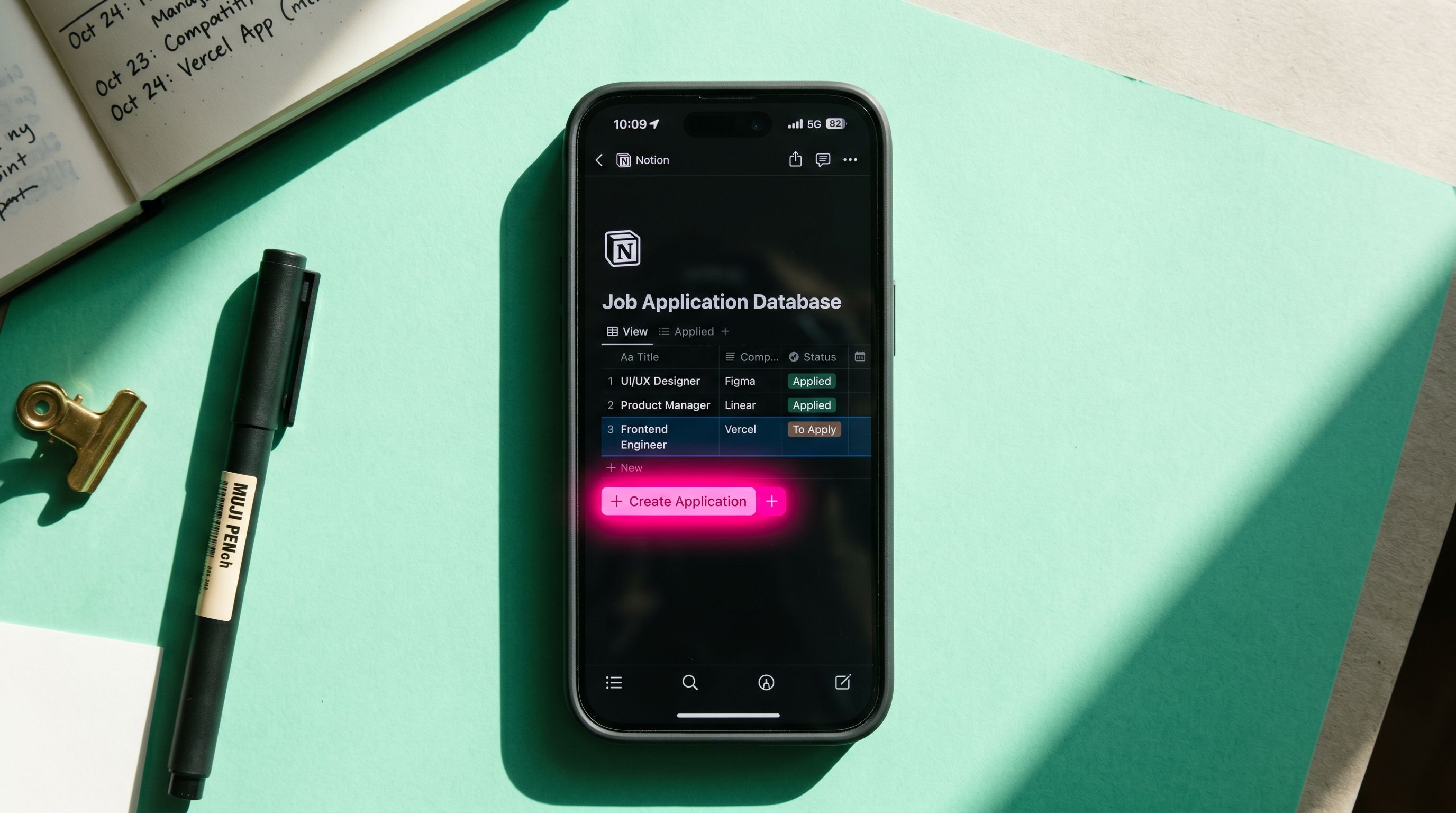
From 200+ company career pages to a tailored application package in under two minutes
Job Board Scraper & Application Engine
Tincture built an end-to-end job application automation system to address a problem the senior talent market has been struggling with in 2026: most senior candidates can't tailor decades of experience for every role they want without giving up half their week, so they either send generic applications (which don't land) or stop applying altogether. The system pairs a daily Node.js + Playwright scraper monitoring 200+ hand-picked company career pages with a Claude-powered application engine that turns any listing into a scored suitability assessment, a tailored CV, and a role-specific cover letter in under 45 seconds, triggered by a single Notion button click. Designed for the senior candidates existing job-hunting tools have left behind.