
Methodology
A belief system, not a framework.
Ten principles behind how this practice works. The commercial layer finally has an AI infrastructure that matches the product - and these are the rules we apply to it.
What we believe
Commercial debt compounds faster than technical debt.
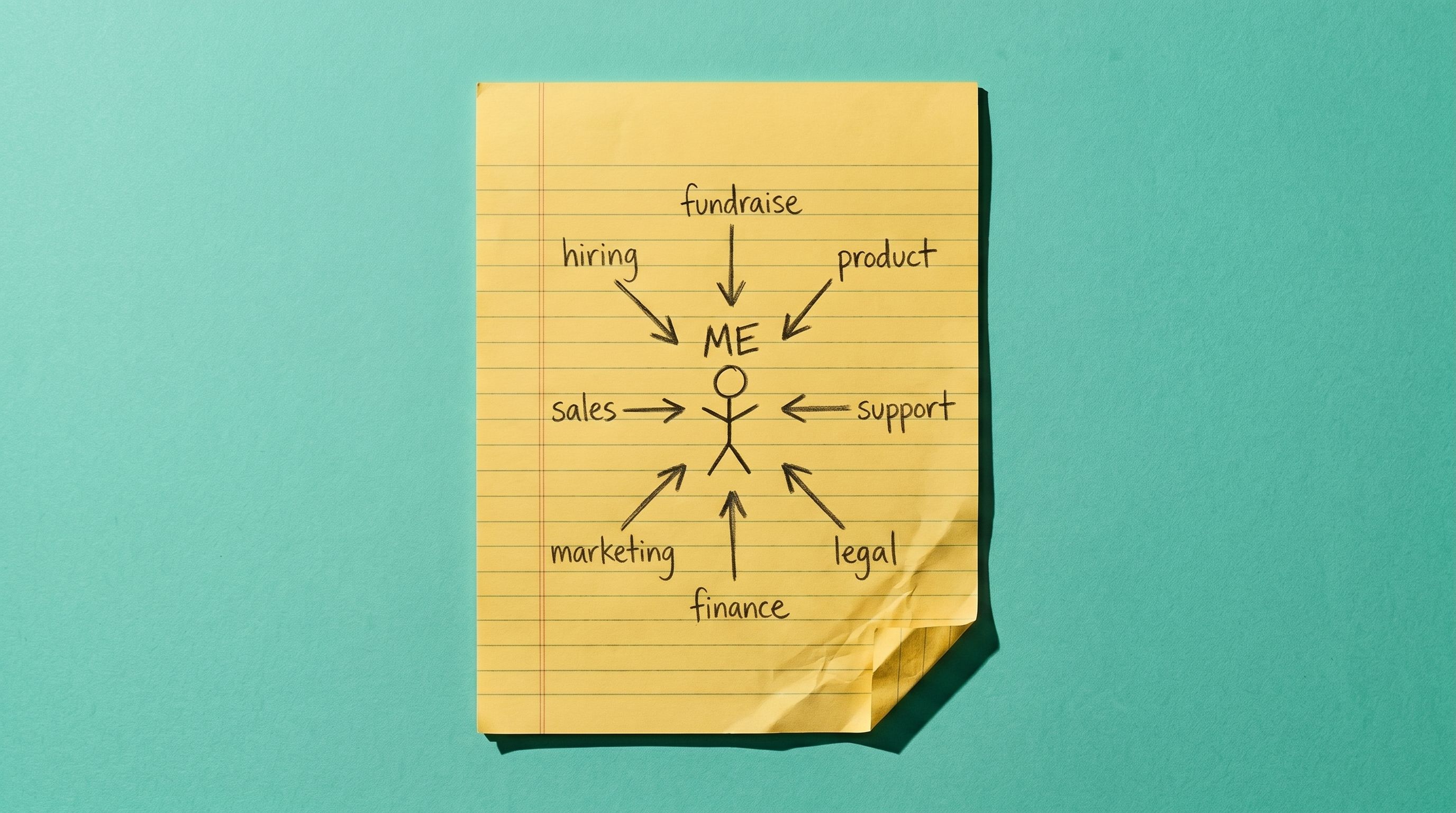
A founder wrote this on Indie Hackers: Building feels like progress. Selling feels like rejection. Eight words. The whole emotional ground this practice exists to validate.
Most startups don’t fail for lack of code. They fail because nobody built the commercial layer. And commercial debt compounds faster than technical debt; nobody’s tracking it.
The commercial layer has always been a human-judgment problem. Pattern recognition, context, two decades of watching the same mistakes. Until recently, delivering that kind of judgment to an early-stage company was slow and expensive, which is why founders got frameworks instead. A founder-market-fit checklist from a Lenny newsletter. A GTM template from a YC mentor. A pricing deck someone linked on Twitter.
Frameworks aren’t judgment. Judgment is knowing which framework doesn’t apply to this founder, this product, this moment.
Tincture exists because that judgment is now deliverable. Not because we invented a faster way to think. Because the infrastructure finally exists to apply it in days instead of months.
Building feels like progress. Selling feels like rejection.
The ten principles
Ten principles, three parts.
The problem, the method, the enabler. Every piece of work we produce has to pass all ten. The last three are about why this practice works now and not five years ago.
Part 01 · 01 - 03
The problem.
Most startups don’t fail for lack of code. They fail because nobody built the commercial layer. And the help available has been either enterprise-grade or content marketing dressed up as strategy.
Most startups don’t fail for lack of code. They fail because nobody built the commercial layer.
Most self-articulated founder pain-points map to one problem: distribution has overtaken product as the primary bottleneck. Only a small fraction of startups reach $1M ARR within three years. That isn’t an opinion. It’s a pattern we see again and again.
Ops debt compounds faster than technical debt. Nobody’s tracking it.
Engineers track technical debt. They have tools, language, metrics, rituals for it. There’s no equivalent for ops debt. So it builds silently: the tool stack that doesn’t integrate, the data nobody owns, the hiring order that locked in a broken structure, the process gap between product and commercial teams that everyone works around but nobody names.
The commercial help available to early-stage founders is either enterprise-grade or generic content marketing dressed up as strategy.
A founder at month eighteen can pay for a Bain report they don’t need, or read a free GTM Substack that doesn’t know their company exists. The practice of applying senior commercial judgment to a specific early-stage company has been structurally unavailable at any price a founder would actually pay. The AI layer changed that.
The deliverable is the roadmap, not the meeting.
Part 02 · 04 - 07
The method.
Diagnosis first. Always. A thirty-day priority roadmap, not a ninety-day transformation program. The deliverable is the roadmap, not the meeting. Commercial operations as a system you own, not a skill set that walks out.
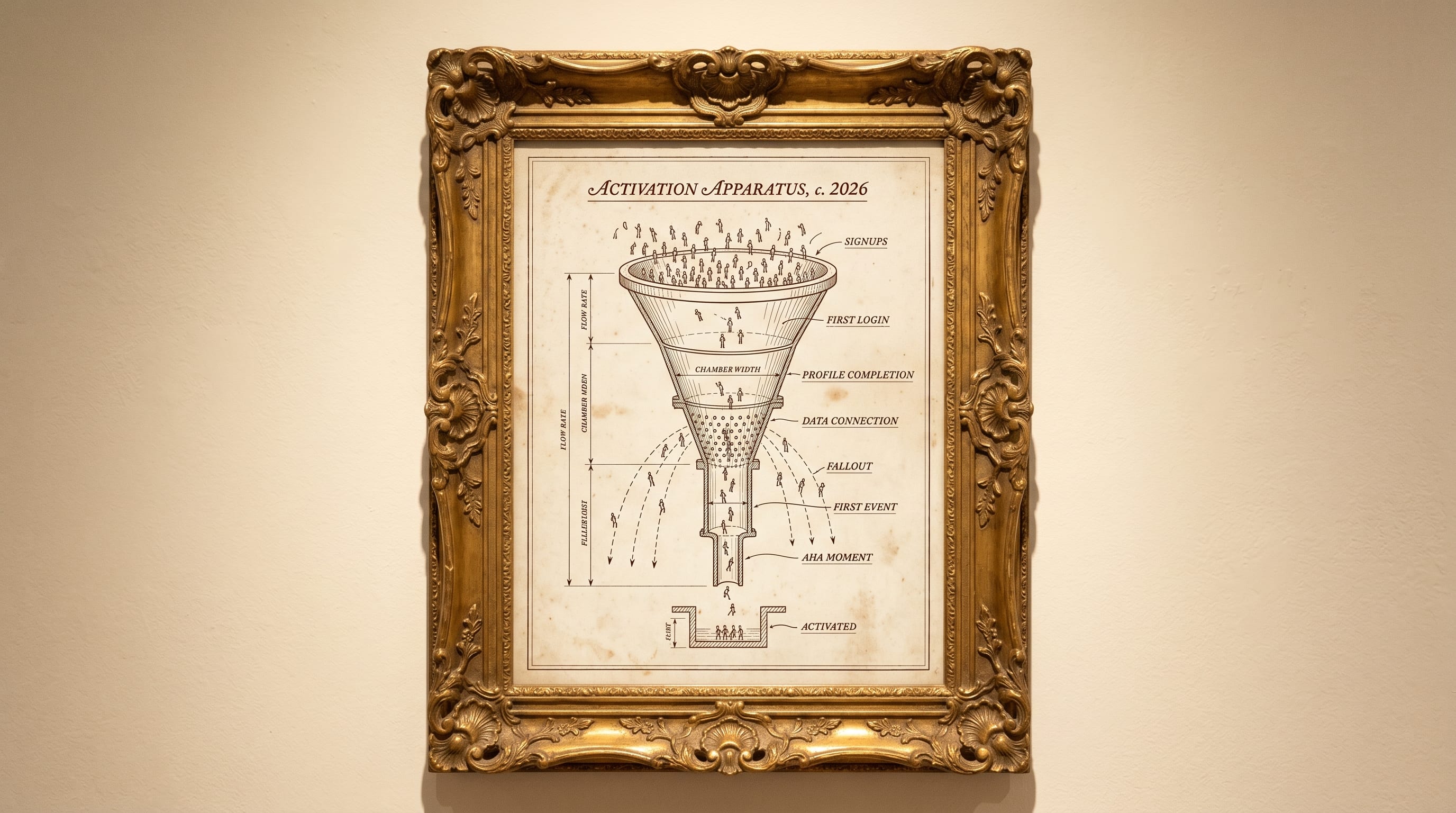
Diagnosis first. Always.
You can’t fix what you haven’t named. Most consulting engagements skip the diagnosis and jump to implementation, because implementation is billable and repeatable, and diagnosis feels like overhead. We think that’s backwards. The diagnosis is the thing. A precise written articulation of what’s broken is worth more than six weeks of fixing the wrong thing.
A thirty-day priority roadmap beats a ninety-day transformation program.
Founders need the next three moves, not the next thirty. A plan that extends past the current quarter is a fiction: the company will pivot, raise, lose a customer, miss a launch, hire the wrong person, and the plan is obsolete before it’s implemented. Thirty days. Three priorities, in order. Specific enough to act on this week, flexible enough to survive next week.
The deliverable is the roadmap, not the meeting.
Most consultancies sell their time. You pay for hours, calls, workshops, alignment sessions. The output is a deck nobody reads. We sell the output. Everything else is optional scaffolding.
Commercial operations is a system, not a skill set.
When you hire a head of operations, you get someone’s personal operating system. When they leave, the system leaves with them. A system can be built, tested, observed, handed over. A skill depends on who shows up Monday morning. We build the system. You own it. It stays.
The judgment is old. The delivery is new.
Part 03 · 08 - 10
The enabler.
AI didn’t make this work better. It made this work possible. We build on the stack you already have, and we’re generous with the insight because the infrastructure is portable.
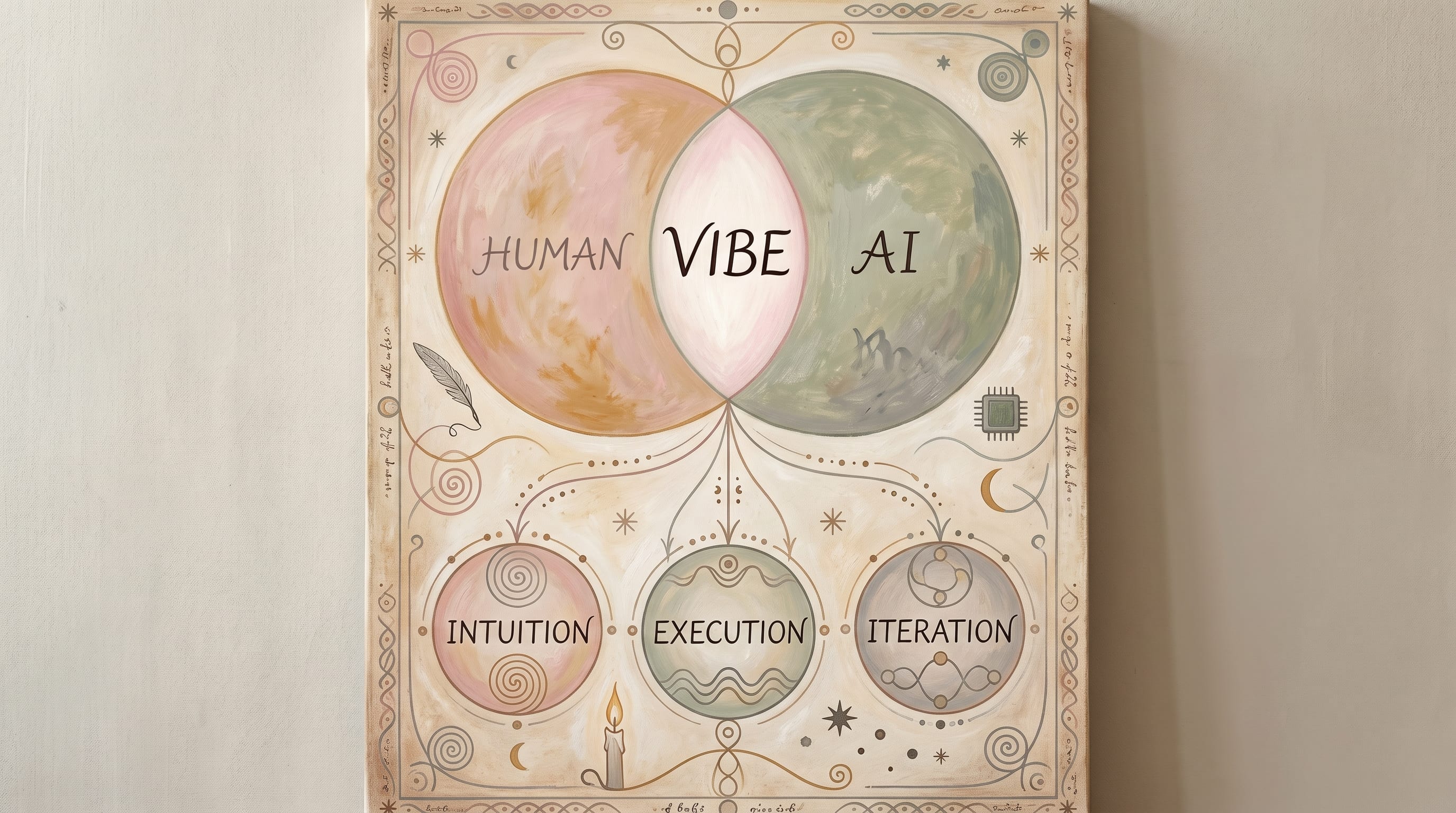
AI didn’t make this work better. It made this work possible.
Your product runs on the frontier. Your dev environment is AI-augmented. Your codebase ships through pipelines that didn’t exist five years, even twelve months, ago. There’s no reason your commercial layer should still be running on Google Sheets and gut feel. We aren’t replacing judgment with AI. We aren’t offering you a chatbot. The diagnosis is twenty years of pattern recognition applied to a specific founder, product, and moment. That part is human. What’s new is what we can build with it: agent systems, MCP workflows, an AI commercial layer that runs your operation, not a faster slide deck.
We build on the stack you already have.
The average knowledge worker toggles between 9.4 applications daily. The average company runs 130+ SaaS apps. Adding another one isn’t help. Salesforce, HubSpot, Notion, Linear, Airtable, Google Workspace, whatever’s there; that’s where the implementation layer goes. Every engagement leaves you with the directions, the MCP setups, the plugins, the Skills, configured for your specific company. The dependency is on infrastructure you own. Not on us.
Generous with insight. Precise with implementation.
Because the infrastructure is portable, we can give the methodology away. The cornerstones, the self-assessment, the manifesto you’re reading. No gating of the thinking. Just of the tools. Founders who read this and think ‘I can do this myself’ are welcome to try. The ones who don’t want to are the ones we work with.
AI didn’t make the work better. It made it possible.
What you actually get
Not advice. A system you own.
What you get, in four parts. We build it, hand it over, and you own it from day one.

A written diagnostic.
Precise, evidence-led, readable in one sitting. Names the bent lever before anything else moves.
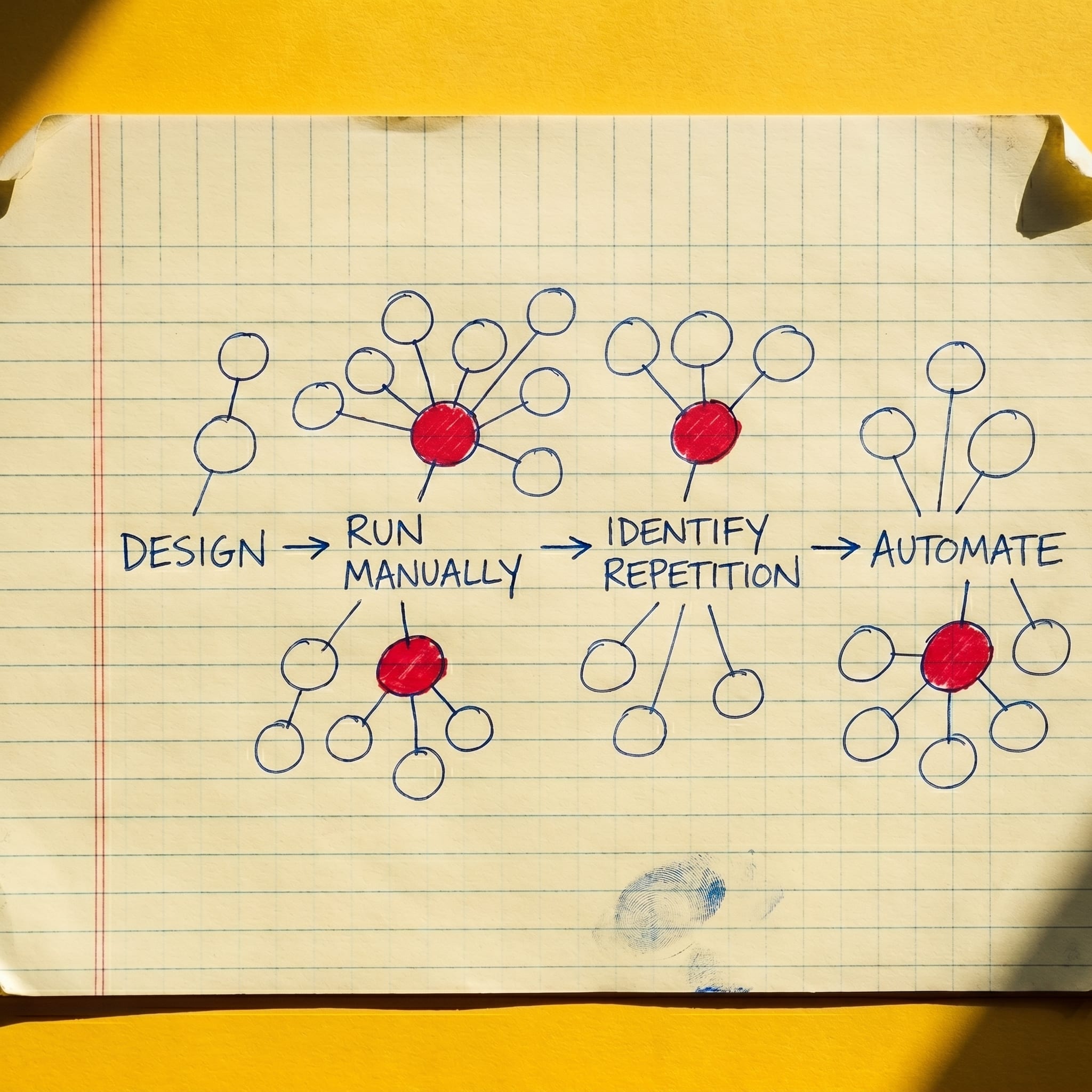
A thirty-day priority roadmap.
Three moves, in order. Specific enough to act on this week, flexible enough to survive next week.
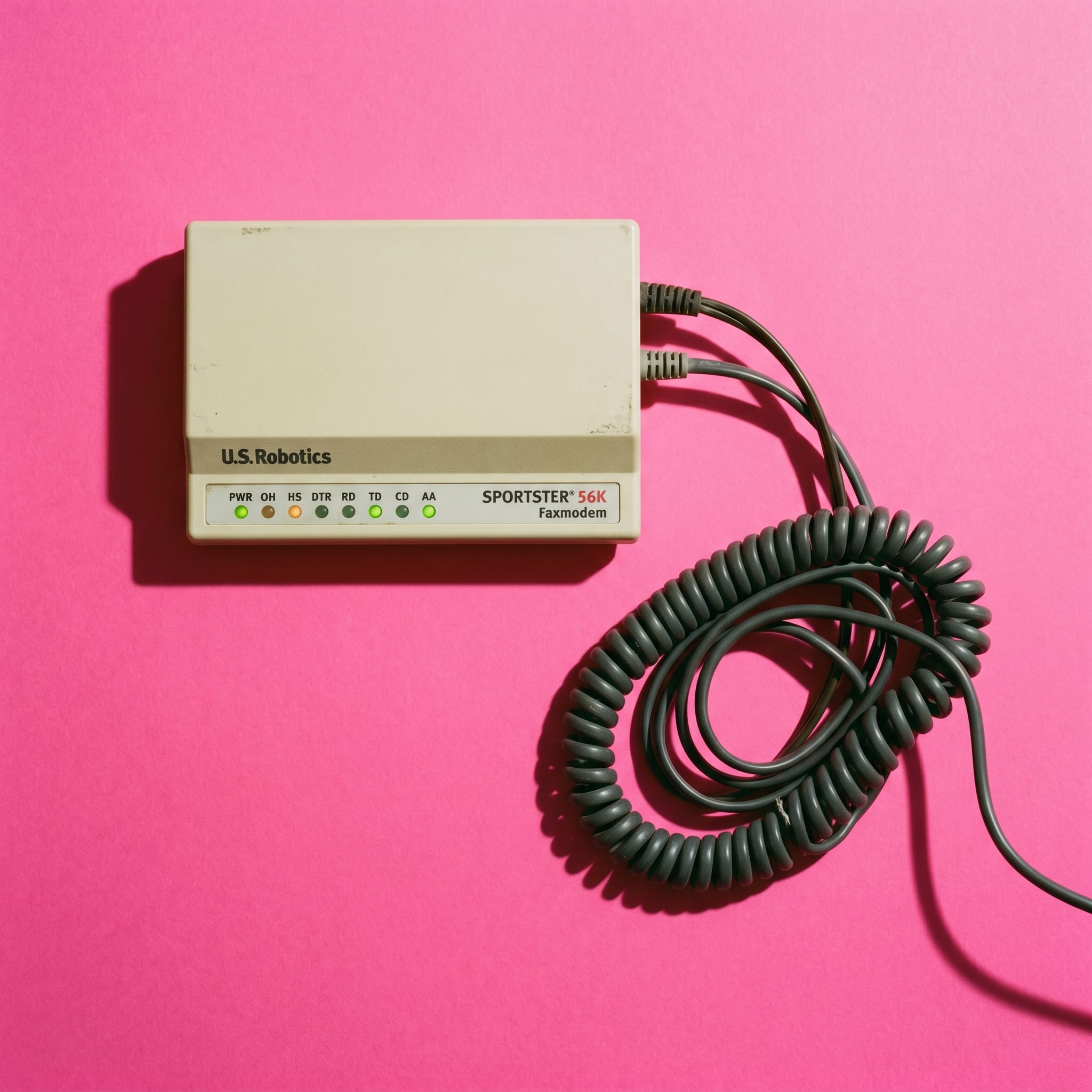
An AI workflow layer.
Built on the stack you already run. Salesforce, HubSpot, Notion, Linear, Airtable, whatever is already there.

A handover that makes you independent.
Directions, MCP setups, plugins, Skills, configured for your specific company. The dependency is on infrastructure you own.
What you won’t get
Four things you’ll never get from us.
We worked at the agencies and the big shops. We know the playbook. And it’s the part we left behind.
No deck.
Not a forty-slide PDF you skim once and file. The output is the thing itself, not a presentation about the thing.
No three-month process.
Not an engagement where four weeks are spent figuring out what the first month is for. The clock starts when we have everything. No exceptions.
No invoice that wipes the runway you just closed.
Pricing a pre-seed founder can say yes to without a board email. We would rather you ship than we bill.
No junior associates running the file.
No analyst-layer markup, no pyramid. The senior partner takes the kickoff call and does the work. Same hands from scope to ship.
What this means
Pass these ten, or it isn’t Tincture.
Every piece of work we produce has to pass these ten. If a diagnostic, a cornerstone, a build deliverable, or a piece of copy doesn’t, it isn’t Tincture. It’s something else, and it gets rewritten or killed.
This is what we believe. You’ll see it in the diagnostic, the roadmap, the handover, and every cornerstone we publish.
From the toolkit
Tools built on this methodology
Frameworks we use in live engagements, published for founders who'd rather just build.


Three ways in
Read it, use it, or hire us.
Run the free assessment in ten minutes. Book the seventy-two-hour diagnostic when the bent lever needs naming.