Buyer Persona Generator
A four-step web tool that turns a category, decision context, and emotional drivers into an archetype in under 3 minutes
TL;DR
The Buyer Persona Generator, a four-step web tool that takes a founder through structured prompts on category, decision context, and emotional drivers, and returns a complete buyer archetype in under three minutes. Output: a specific person with name, salary, daily reality, fears, aspirations, and a closing sentence ready to drop into copy. Anchored in buyer psychology rather than demographic segmentation, designed for founders whose existing ICP work stops at "B2B SaaS, 50-500 employees" and never gets to a person.
The brief
What did the client need?
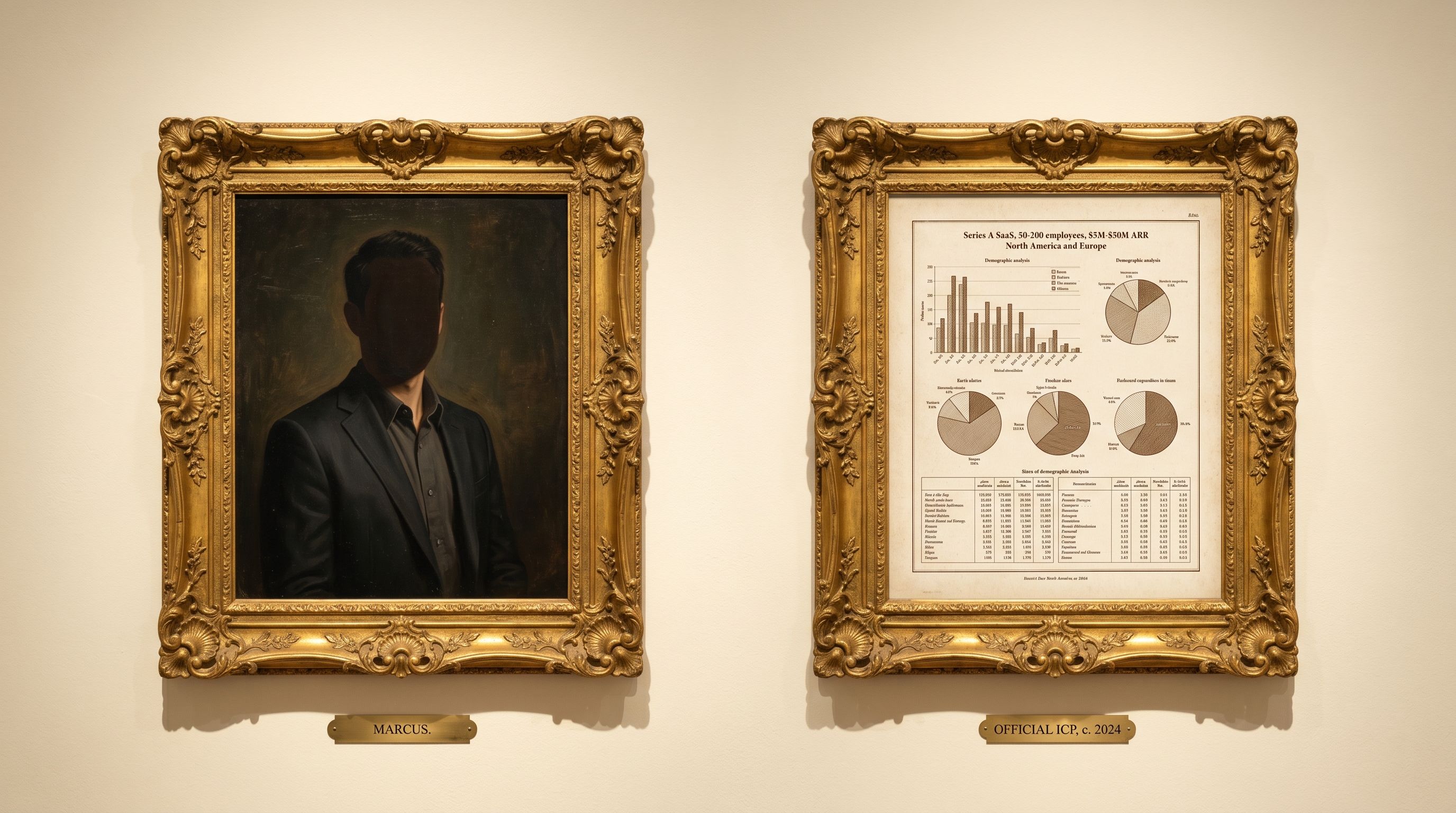
Most founder ICP work produces market segments, not people. "B2B SaaS companies with 50-500 employees" is roughly 40,000 companies. That's not an ICP; it's a sector. The buyer who'll actually pay is a specific person making a specific decision under specific pressure, in language they actually use, with fears that don't show up in the demographic data.
The standard fix is a half-day persona workshop, which most founders won't do because half a day isn't available and the workshop facilitator sounds expensive. So the bad ICP stays. The deck has the same line on slide twelve in the next raise. The cold outreach goes out to 40,000 companies and gets a 3% reply rate. The copy on the homepage talks to nobody specifically.
The brief was a tool that produces the specific person in three minutes, with enough psychological depth to actually shift the founder's positioning, copy, and outreach. Not a workshop. A web tool the founder can run between meetings.
The constraints
What made this hard?
Three constraints. The first was time. The whole product had to fit inside three minutes, because anything longer competes with calendar reality and loses. Four steps, no skip-able bloat.
The second was specificity. A persona generator that returns "decision-maker who values ROI and ease of use" doesn't beat what the founder already had. The output needed a specific name, a specific salary, a specific daily reality, specific fears, specific aspirations, and a specific closing sentence the founder could lift directly into copy. Generic kills the tool.
The third was psychology over demographics. Most ICP frameworks are demographic (industry, size, role, seniority) and produce demographic outputs. Buyers don't decide by demographic; they decide by emotional pressure, social proof, and fear of being the one who picked wrong. The tool needed buyer psychology in the prompt scaffold, not as an afterthought.
The approach
How was the problem framed?
Four steps. Step one captures the category and use case, with enough context for the model to anchor. Step two captures the decision context: who actually buys, why now, what alternatives they're weighing, what's pushing them to act. Step three captures emotional drivers: what they fear (being the one who picked wrong, looking out of touch, missing the window), what they aspire to (looking like the smartest person in the room, getting the budget approved next year, being the one who knew first). Step four reviews and refines.
The output is structured for direct copy lift. Name and surname (psychologically real). Salary (so the founder thinks about budget signals). Daily reality (the kind of week they're having). Fears and aspirations in their actual language. A closing sentence: one line that captures who they are and what they want, ready to paste into a homepage hero or a cold email opener.
The model layer is a Claude API call with a structured prompt that scopes archetype generation against buyer psychology principles, so the output reads like a person rather than a market segment summary.
The build
What was shipped?
A web tool delivered as an overlay, hosted in the existing site framework. Four-step form with progressive disclosure (one section visible at a time, the previous steps' answers visible underneath). Step inputs structured to scope the model's output: category, use case, decision context, emotional drivers.
A single Claude API call per archetype generation, with the system prompt encoding the buyer psychology scaffold and the output schema. Output rendered in the overlay, copy-able to clipboard, downloadable as text.
A library of example archetypes accessible from the tool, so a founder can see what a strong archetype output looks like before generating their own.
The outcome
What were the results?
Live and free. Founders generate their archetype in three minutes and walk away with a specific person they can position copy, outreach, and product decisions against.
The compounding outcome is the language shift. Most founder copy reads as if it was written by someone who's never met the buyer, because it was. The archetype output gives the founder a specific phrase, a specific fear, a specific aspiration in the buyer's voice. That language drops directly into headlines, ad copy, cold email openers, and homepage heroes. The conversion shift from generic to specific copy is one of the largest single moves a founder can make on response rates.
The strategic outcome is what happens to the founder's mental model. After running the tool, the founder doesn't go back to "B2B SaaS, 50-500 employees" because the archetype is louder. The deck slide changes. The outreach changes. The product roadmap conversation changes.
What it took
What tools and methods were used?
Web app delivered as a front-end overlay (Next.js), Claude API for archetype generation, structured form for the four steps, system prompt encoding the buyer psychology scaffold and the output schema. The whole stack is small because the work is in the prompt scaffolding, not the surface.
The methodological underpinning is the practice's pattern for AI tools in research workflows: scope the model's output with structured inputs, encode the framework into the system prompt, and present the output in a format the user can lift directly into their work. Generic AI prompts produce generic output; scoped prompts against a framework produce framework-quality output.
The other move worth naming: psychology, not demographics. Most ICP tools default to demographic fields because they're the easiest to capture. Demographic outputs lose to psychology outputs every time on actual conversion. Building the tool around fear-and-aspiration prompts rather than industry-and-size pulls is what makes the output usable.
The takeaway
What's the transferable principle?
ICP is a person, not a market segment. The unit of analysis is the buyer making the decision, not the company that contains them. Most ICP work fails because it stops at the segment level (the deck slide, the demographic filter, the targeting list) and never produces the specific person whose language ends up in copy that converts.
For the Buyer Persona Generator, that meant designing the tool around the buyer's emotional pressure rather than the company's demographics. Three minutes, four steps, a specific person at the end with specific language the founder can lift directly.
The other transferable principle, broader than ICP: framework-encoded AI tools beat generic AI tools by the size of the framework. The tool's output is good because the prompt scaffolds the model's work against buyer psychology principles. Without that scaffold, Claude produces a confident-sounding archetype that doesn't survive contact with reality. The work in any AI tool is the prompt scaffolding, not the model.
Read more on this in ICP Definition: The 3-Attribute Framework That Cuts Through Vagueness
Frequently asked questions

More like this
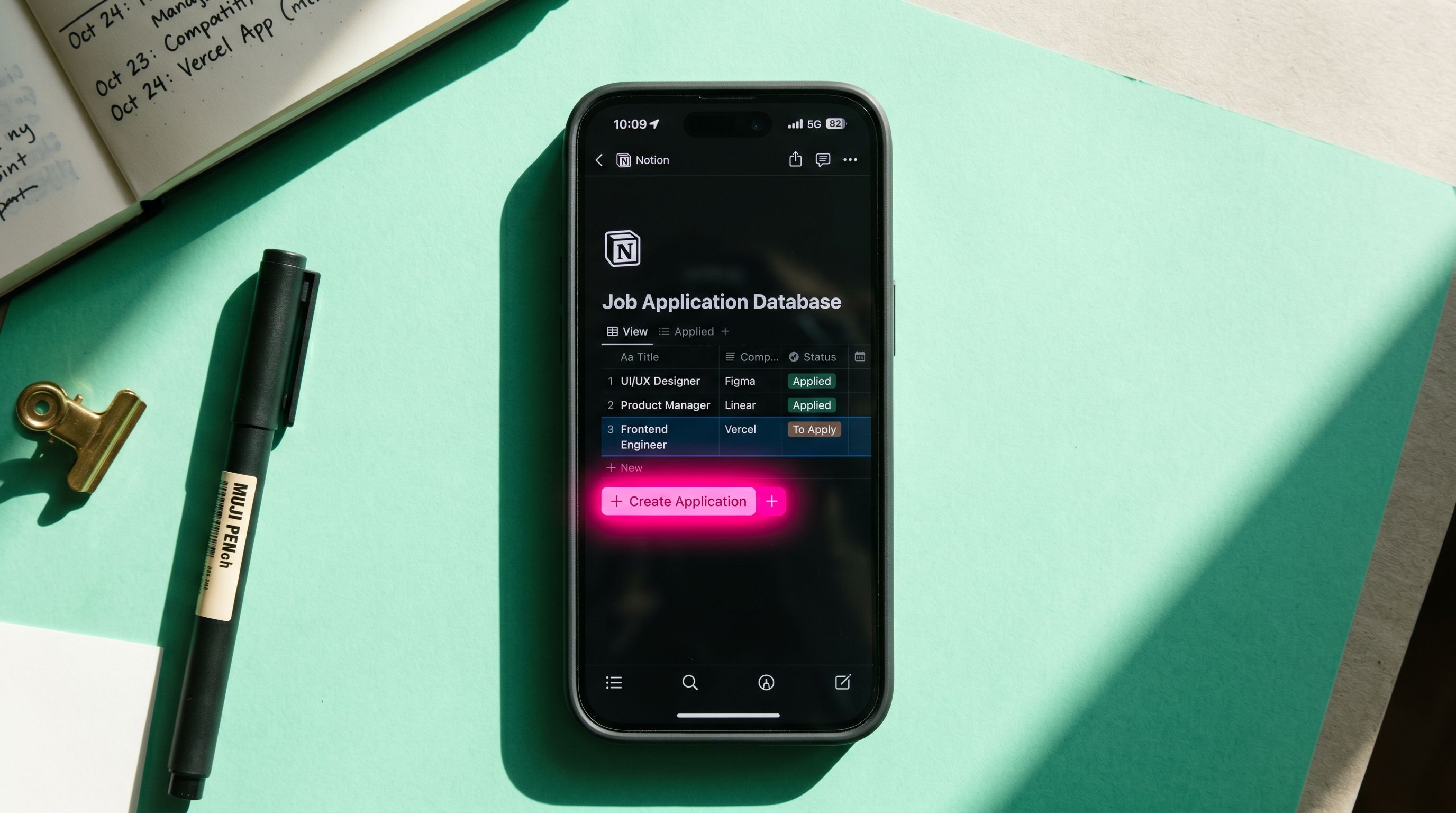
From 200+ company career pages to a tailored application package in under two minutes
Job Board Scraper & Application Engine
Tincture built an end-to-end job application automation system to address a problem the senior talent market has been struggling with in 2026: most senior candidates can't tailor decades of experience for every role they want without giving up half their week, so they either send generic applications (which don't land) or stop applying altogether. The system pairs a daily Node.js + Playwright scraper monitoring 200+ hand-picked company career pages with a Claude-powered application engine that turns any listing into a scored suitability assessment, a tailored CV, and a role-specific cover letter in under 45 seconds, triggered by a single Notion button click. Designed for the senior candidates existing job-hunting tools have left behind.
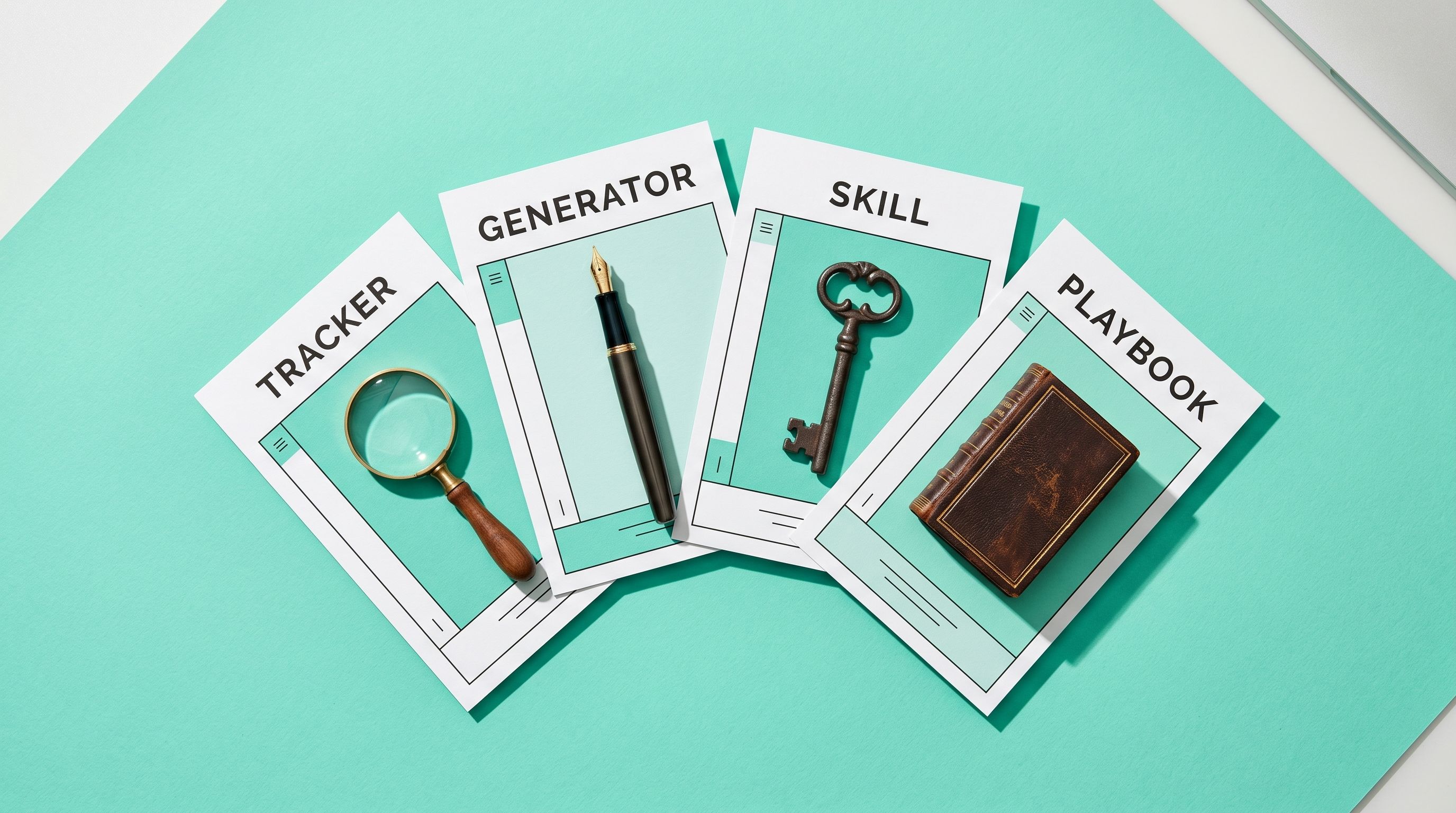
A four-tool LinkedIn distribution system designed for founders who need LinkedIn to seamlessly work for them.
LinkedIn distribution stack
We built a four-tool LinkedIn distribution stack as a system for founders who need LinkedIn to work - without becoming content creators. The Performance Tracker tells the founder what's working. The Post Generator (Claude-powered web tool turning a rough idea into a ready-to-post draft) ships the next post. The Claude Skill (single prompt file installing the same generation behaviour into the founder's own Claude.ai or Claude Code environment) lets the founder generate posts in their existing tooling. The Playbook (six post formats, a 30-minute weekly workflow, the installable Skill) ties the whole stack together as a methodology. Used together, the four tools turn LinkedIn from a creator-grade exercise into a thirty-minute weekly system.
A paired short-form video system: a seven-step methodology framework plus a Claude-powered script generator
Viral Content Script Generator + Framework
Tincture built the Viral Content Script Generator and the Viral Content Script Framework as a paired short-form video infrastructure. The Framework: a seven-step methodology for planning, scripting, filming, and distributing short-form content that performs, designed for founders who aren't natural creators. The Generator: a Claude-powered web tool that takes a topic and returns a complete short-form script with hook, body, mid-video retention line, conclusion, and filming notes. Together they cover both the methodology and the execution layer, so a founder can go from "I should be on short-form" to "here's a script ready to film today".
Want to see what your archetype looks like?
A free four-step tool that produces a specific buyer archetype with language ready for copy lift.