LinkedIn distribution stack
A four-tool LinkedIn distribution system designed for founders who need LinkedIn to seamlessly work for them.
TL;DR
We built a four-tool LinkedIn distribution stack as a system for founders who need LinkedIn to work - without becoming content creators. The Performance Tracker tells the founder what's working. The Post Generator (Claude-powered web tool turning a rough idea into a ready-to-post draft) ships the next post. The Claude Skill (single prompt file installing the same generation behaviour into the founder's own Claude.ai or Claude Code environment) lets the founder generate posts in their existing tooling. The Playbook (six post formats, a 30-minute weekly workflow, the installable Skill) ties the whole stack together as a methodology. Used together, the four tools turn LinkedIn from a creator-grade exercise into a thirty-minute weekly system.
The brief
What did the client need?
LinkedIn is the highest-leverage distribution surface available to most B2B founders, which is why most founders know they should be active on it and most aren't, in a working way. The reasons cluster: writing posts takes time, the format that works isn't obvious, founders aren't natural creators, and the gap between "posting consistently" and "posting in formats that compound" is wider than it looks.
The standard advice is "hire a ghostwriter" or "build a personal brand", neither of which applies to a founder running a company. A ghostwriter introduces a voice mismatch and a maintenance overhead. "Personal brand" turns the founder into a creator instead of a founder. What's actually needed is a system that lets the founder spend thirty minutes a week and ship posts that perform.
The brief was a four-tool distribution stack covering attention (which formats are working), generation (turning rough ideas into ready-to-post drafts), workflow (where the generation happens), and methodology (the formats and weekly cadence that tie everything together). Free, installable, and designed so a founder can run it without becoming a creator.
The constraints
What made this hard?
Three constraints. The first was format discovery. Most founder LinkedIn advice presents one canonical format ("the build-in-public post" or "the contrarian take") as if it's universal. In practice, six distinct formats reliably work for founders, and which one is right for a given idea depends on the idea itself. The Tracker had to surface which formats are working for the founder's audience specifically; the Generator had to handle all six.
The second was voice consistency. AI-generated LinkedIn posts default to a generic LinkedIn voice that reads as content rather than thought. The Generator and the Skill needed a voice layer that produces posts indistinguishable from the founder's own writing. The Skill specifically needed to encode the founder's voice into a prompt file the founder could install once and use everywhere.
The third was workflow integration. A web tool that produces a post is fine, but a founder operating in Claude.ai or Claude Code shouldn't have to switch tabs to generate a post. The Skill had to install into the founder's existing environment so the generation happens where the founder already works.
The approach
How was the problem framed?
Four tools designed as a system. Each tool earns its keep on its own; together they cover the whole loop.
The Performance Tracker is a Python script the founder runs against their LinkedIn Creator Analytics CSV (downloaded from LinkedIn). It populates a Google Sheets dashboard with format analysis (which of the six formats are performing, by impressions, engagement, and saves), timing analysis (which days and times are landing), and a repurpose queue (top-performing posts surfaced for repurposing into other written surfaces). The founder runs it weekly to see what's working.
The Post Generator is a Claude-powered web tool. Paste a rough idea or some bullet points; pick a format from the six (or let Claude pick); get a ready-to-post draft in seconds. Output formatted for direct copy into LinkedIn, with the right line breaks and length for the platform's algorithm.
The Claude Skill is a single prompt file that installs into the founder's Claude.ai or Claude Code environment. Same generation behaviour as the web tool, but available without switching contexts. The Skill encodes the six formats, the founder's voice (configured once), and the structured output schema.
The Playbook is the methodology layer: documentation of the six formats with examples, a thirty-minute weekly workflow (run the Tracker, pick three ideas, generate the posts via the Skill or the Generator, schedule), and the installable Skill bundled in.
The build
What was shipped?
A Python Performance Tracker (single script, takes a LinkedIn CSV input, writes to a Google Sheets dashboard via the Sheets API). Format analysis logic mapping each post to one of the six recognised formats. Timing analysis. Repurpose queue based on performance thresholds.
A Claude-powered web Post Generator (overlay, four-step input, Claude API call running the format-specific generation logic, output formatted for LinkedIn paste). Format picker plus auto-pick option.
A Claude Skill (single prompt file plus install instructions) that installs the same generation behaviour into the founder's Claude.ai or Claude Code. Encodes the six formats, voice configuration, and output schema.
A Playbook (free guide) documenting the six formats with worked examples, the thirty-minute weekly workflow, the installation steps for the Skill, and the rules of thumb (post timing, format alternation, repurpose cadence).
All four pieces designed as a system, with the workflow in the Playbook covering how each tool fits into a weekly cadence.
The outcome
What were the results?
Live and free. Founders run the system at thirty minutes a week and ship posts in the formats their audience responds to.
The compounding outcome is the format learning. After running the Tracker for a few weeks, the founder sees which formats land in their specific audience versus which formats land in general. The Generator and Skill produce drafts in those formats. The thirty-minute weekly cadence becomes a system that produces results without becoming the founder's job.
The strategic outcome is the founder-as-founder framing. The standard alternative ("hire a ghostwriter" or "build a personal brand") forces the founder into either a maintenance overhead or an identity shift. The stack lets the founder be a founder who happens to post on LinkedIn, rather than a founder-creator.
What it took
What tools and methods were used?
Python and the Google Sheets API for the Performance Tracker. Web app plus Claude API for the Post Generator. Claude Skills format for the Skill (a single prompt file with the format library, voice configuration, and output schema). A documented Playbook for the methodology layer.
The methodological underpinning is the practice's pattern for distribution-stack tools: cover the whole loop, not one piece. A tracker without a generator stalls at execution; a generator without a tracker produces posts blind to what's working; either without the methodology produces a workflow without a system. Building all four as a stack rather than four standalone products is what makes the cadence stick.
The other move worth naming: install where the founder already works. The Claude Skill exists because asking a founder to switch tabs to a web tool every time they want to draft a post is a friction tax. Installing the Skill into the founder's existing Claude environment removes the tax and the cadence holds.
The takeaway
What's the transferable principle?
Most LinkedIn advice for founders is creator-grade: hire a ghostwriter, build a personal brand, post every day. None of those work for a founder running a company. The work that lands shrinks the time cost to thirty minutes a week and lets the founder be a founder who posts, not a founder-turned-creator.
For the LinkedIn distribution stack, that meant four tools designed as a system: the Tracker for attention, the Generator and Skill for execution, the Playbook for methodology. Run together, the stack produces results without producing a maintenance overhead.
The other transferable principle, broader than LinkedIn: distribution stacks beat distribution tools. A single tool covers a single step; a stack covers the loop. Tracker plus Generator plus Skill plus Playbook is the difference between "a way to write a post" and "a system that runs without becoming the founder's job". Build for the loop, not the step.
Frequently asked questions
More like this
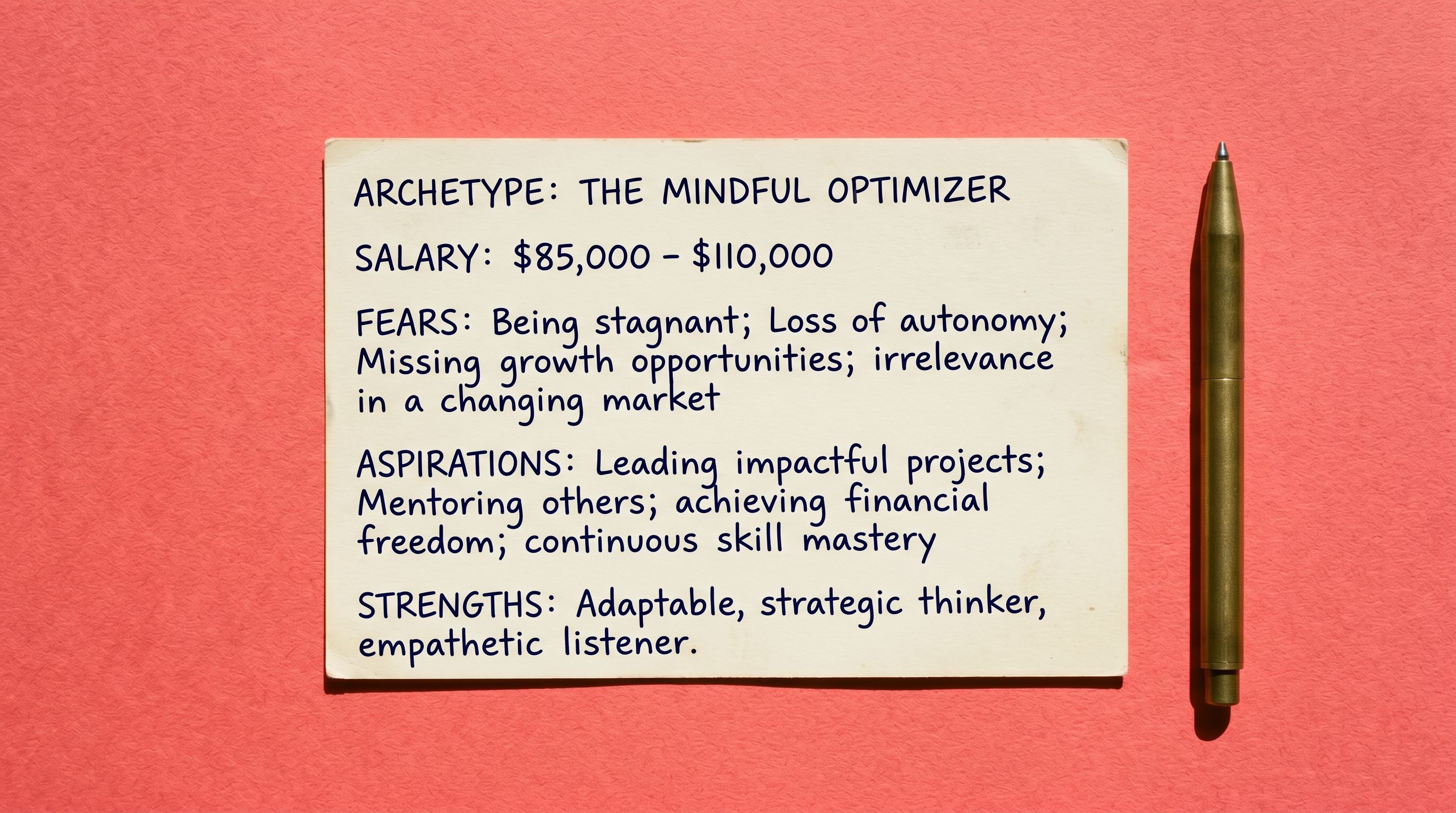 Featured
A four-step web tool that turns a category, decision context, and emotional drivers into an archetype in under 3 minutes
Buyer Persona Generator
The Buyer Persona Generator, a four-step web tool that takes a founder through structured prompts on category, decision context, and emotional drivers, and returns a complete buyer archetype in under three minutes. Output: a specific person with name, salary, daily reality, fears, aspirations, and a closing sentence ready to drop into copy. Anchored in buyer psychology rather than demographic segmentation, designed for founders whose existing ICP work stops at "B2B SaaS, 50-500 employees" and never gets to a person.
A paired short-form video system: a seven-step methodology framework plus a Claude-powered script generator
Viral Content Script Generator + Framework
Tincture built the Viral Content Script Generator and the Viral Content Script Framework as a paired short-form video infrastructure. The Framework: a seven-step methodology for planning, scripting, filming, and distributing short-form content that performs, designed for founders who aren't natural creators. The Generator: a Claude-powered web tool that takes a topic and returns a complete short-form script with hook, body, mid-video retention line, conclusion, and filming notes. Together they cover both the methodology and the execution layer, so a founder can go from "I should be on short-form" to "here's a script ready to film today".
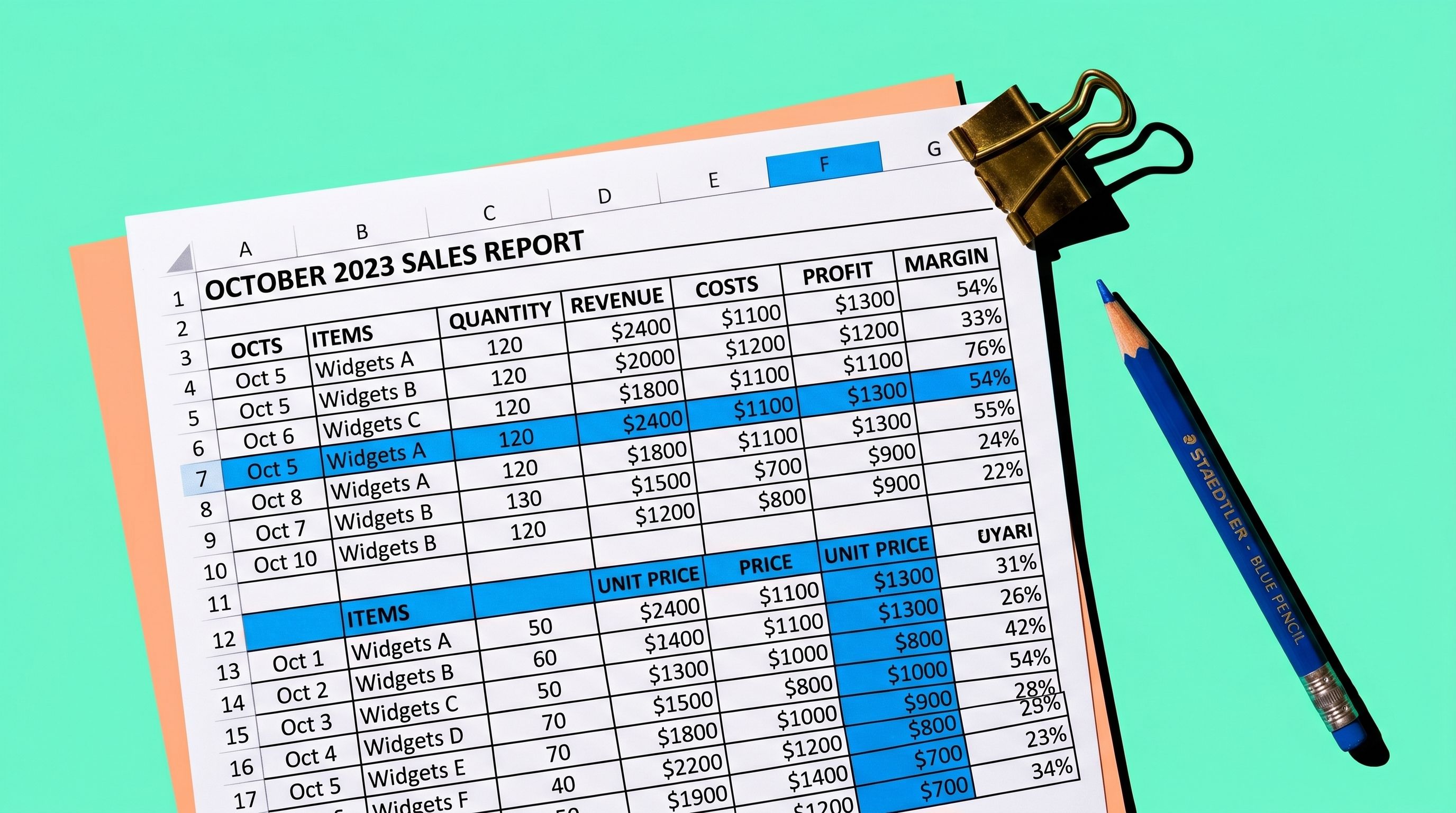
A four-sheet financial workbook covering monthly revenue, headcount, burn, and cash across three years.
3-Year SaaS Business Model Template
We built the 3-Year SaaS Business Model Template, a financial workbook covering revenue (new MRR, expansion, churn), headcount (by function, with timing), burn rate, and cash position. Monthly granularity across three years, with linked formulas that flow inputs through to the cash position output. Founders fill in the blue cells (assumptions, hire dates, deal sizes); the template calculates everything else. Designed for founders who need a credible financial model for fundraising or planning but don't want to build one from scratch or hire an analyst to over-engineer it.
Want LinkedIn to work without becoming a creator?
A free four-tool system (Tracker, Generator, Skill, Playbook) running on a thirty-minute weekly workflow.