An Excel audit, rebuilt as an AI lead engine
From a spreadsheet that captured zero leads to a live tool that captures every completion.
TL;DR
Tincture helped a UK consultancy that builds AI tools for a regulated professional-services sector turn a five-sheet Excel self-assessment into a gamified web tool, delivering a live lead engine built to qualify a 25,000-practice cold campaign. The old audit read like a compliance form and captured nobody. We rebuilt it as a one-question-at-a-time assessment with a held-back score, structured data capture on every answer, and a results page that routes each respondent to a tailored follow-up. It shipped in days across eight reviewed phases, with the scoring engine under 22 tests. The spreadsheet captured zero leads; the tool captures every completion.
The brief
What did the client need?
A UK consultancy that builds AI tools for a regulated professional-services sector came to us with a good idea in the wrong container. They'd written a sharp AI-readiness self-assessment: 25 scored questions across five areas of the practice, seven profile questions, a results dashboard. It lived in a five-sheet Excel workbook, and it had a job a spreadsheet can't do. It was the opening move in a cold campaign to around 25,000 validated UK practices, the thing the cold email pointed at. If a recipient didn't finish it, the campaign had no funnel and the consultancy had no leads.
The constraints
What made this hard?
Cold traffic is the hardest audience there is. The people arriving were time-poor directors who never asked to fill in a form, landing from a cold email and ready to leave at the first sign of homework. The old format worked against all of that: the same one-to-five slider on every question, no sense of progress, and no way to capture or segment a single respondent even if they did finish. Whatever we built had to be quick enough to complete in one sitting, honest enough that a skeptical director trusted it, and instrumented so every answer became usable data. And it had to ship in days, not weeks, because the campaign was waiting.
The approach
How was the problem framed?
We treated the assessment as a data-capture instrument wearing a quiz's clothes. The quiz is the bait; the structured profile it produces is the product. So two things mattered most: getting people to finish, and capturing everything they told us on the way. We made it feel like a smart peer asking diagnostic questions rather than a form auditing the practice, and we built a reason for the next conversation directly into the result. The respondent gets real value immediately, their bottlenecks and a plan, but the single overall score is held back and offered in the follow-up. That one decision turns a dead-end quiz result into the start of a sequence.
The build
What was shipped?
We rebuilt the audit as a gamified web assessment. It opens on an email gate, then moves one question at a time, with a progress bar, a running 'your score so far' counter, and a short milestone moment at the end of each of the five sections. The questions use varied inputs, card selects, sliders, multi-selects, instead of a wall of identical sliders, and each is written as a diagnostic, not an audit. A line of honest feedback lands after each answer, and if someone closes the tab halfway, their progress is saved against their email so they can resume.
The results page reads like a personal report: an archetype, a banded breakdown across the five areas, the top three bottlenecks each with a 30-day quick win, a 90-day roadmap, a branded PDF to keep, and a card to share. The overall score is held back for the follow-up, and the closing call to action is tied to the respondent's single biggest pain point, not a generic 'book a call.'
Underneath, every submission writes a structured row, the practice profile, the per-question scores, the top pain points, and drop-off events, into an isolated database schema, scored server-side so the held-back number never reaches the browser. A token-gated admin dashboard shows completion rate, drop-off by section, and the lead list.
The outcome
What were the results?
The format it replaced couldn't capture a single lead. This one captures every completion, with the data structured well enough to segment each respondent by where their practice actually leaks and route them to a tailored follow-up. It's freshly live, so completion-rate numbers are still coming in, but the before-and-after is the point: zero to every one.
Zero to every completion captured. The old spreadsheet captured no leads; the live tool captures all of them, with a full ICP profile attached.
Around 25,000 practices: the size of the cold campaign the tool is built to qualify.
What it took
What tools and methods were used?
A React, Vite, and TypeScript single-page app on Vercel serverless functions, with capture writing to an isolated Postgres schema in Supabase through a least-privilege role, so the app can touch its own data and nothing else. The scoring engine is pure, unit-tested TypeScript, sat under 22 tests so the math is provably right. The branded PDF renders server-side. The build ran in eight reviewed phases, each a pull request gated by build, lint, tests, and a real run, with an adversarial review and QA pass before launch. Data protection was built in, not bolted on: no personal data beyond an email and a first name, twelve-month retention, and a one-call erase.
The takeaway
What's the transferable principle?
A lead magnet isn't a quiz. It's the difference between traffic you can't see and a list you can sell to. The thing that makes one work isn't the questions, it's whether it's built to be finished and whether every answer becomes structured data you can act on. Give people real value at the end, hold one thing back, and the result stops being a dead end and becomes the first message in a sequence.
Frequently asked questions



More like this
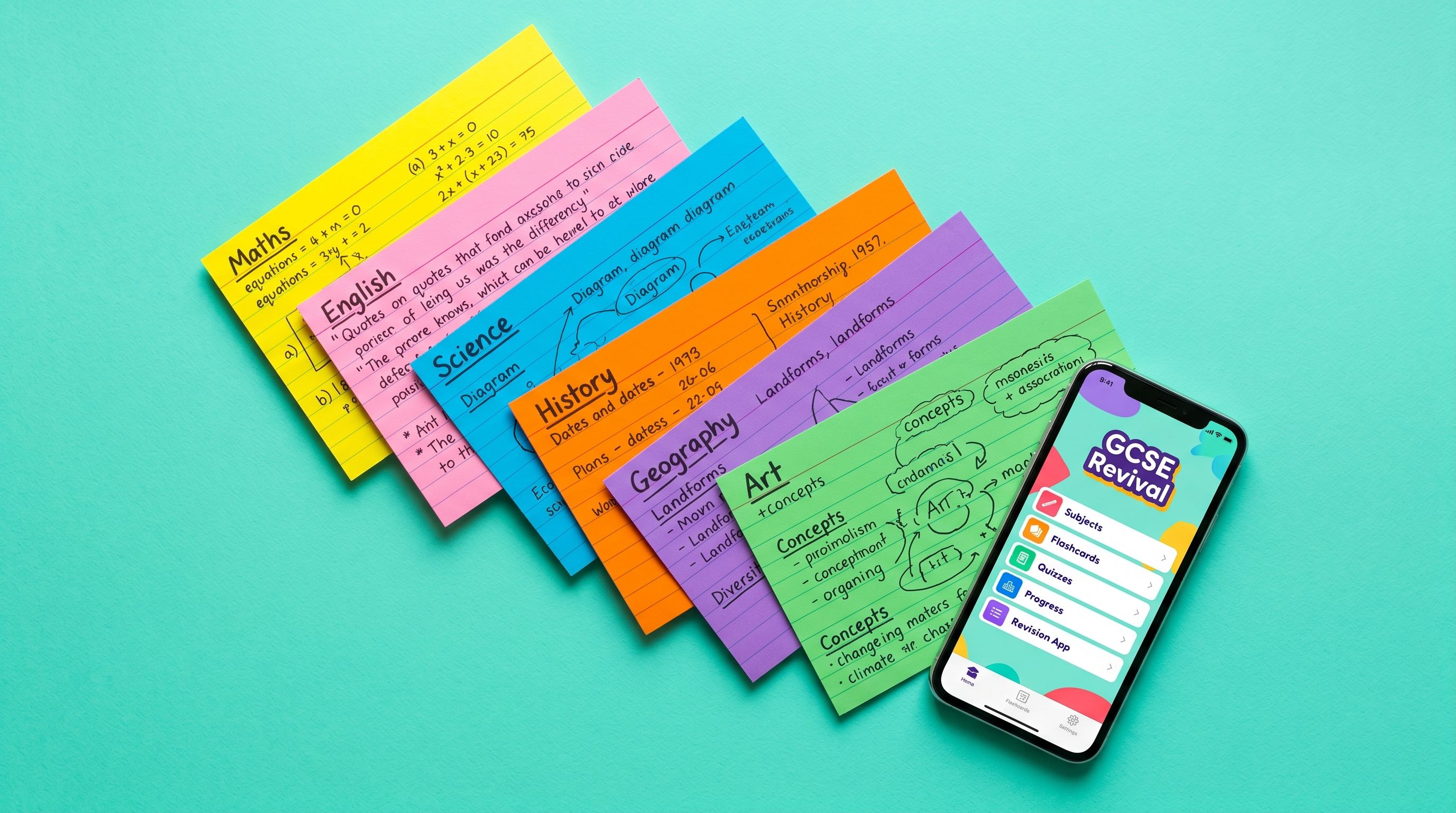
A mobile-first GCSE revival tool with ten subject tracks.
GCSE Revival: A mobile-first revision tool
We built a mobile-first GCSE revision and reintegration tool from scratch for a fifteen-year-old returning to school after extended hospitalization, with ten subject tracks tailored to specific exam boards, a confidence-first design philosophy (week one is reintegration, not content), gamified XP and mastery progression, timed exam-condition exercises, and a PIN-protected parent dashboard tracking session progress and confidence trends.
 Featured
50–70 qualified leads projected in a four-week pilot, 5–8 likely to convert to warm conversations.
An AI opportunity engine for the London commercial demolition market
Tincture built an agentic signal-monitoring pipeline for a London commercial demolition contractor — aggregating insolvency notices, planning portals, derating registers, consultant pipelines, and vacancy data, interpreting them through an AI qualification layer tuned to the contractor's specific commercial profile, and delivering a weekly feed of actionable leads with outreach drafts pre-written. Based on live source volumes, a four-week pilot was projected to surface 50–70 qualified opportunities.

9,182 verified contacts from 30,001 ARB records, structured for direct CRM import.
An AI-assisted campaign-ready contact list for the entire UK architect market
Tincture processed the full UK Architects Registration Board register - 30,001 records — through five enrichment layers (Companies House, website discovery, email generation and selection, SMTP verification, and AI organisation classification) to produce a structured delivery pack with a 9,182-contact verified core send file ready for CRM import. The AI classification layer distinguished core architecture practices from in-house employers at scale, protecting the send list from bounce-rate risk.
Facing a similar problem?
Every engagement starts with a diagnostic. No pitch decks, no proposals. Just the gaps, named plainly.